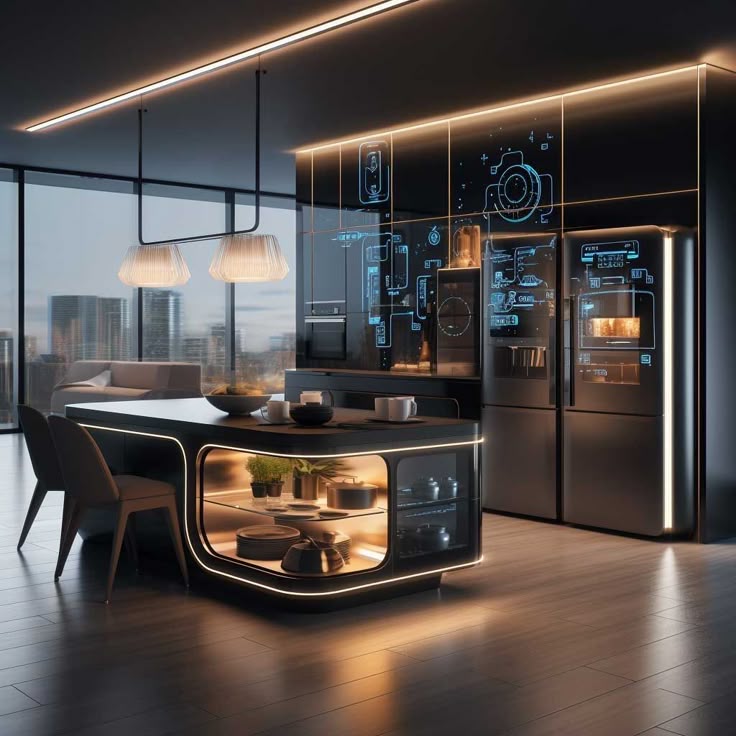
As smart homes become increasingly popular across Dubai, many homeowners find themselves asking a valid question: Do smart homes consume more electricity? Adding sensors, controllers, automated lighting, security devices, and climate systems may naturally increase power usage. But the truth is far more interesting. When properly designed and maintained, smart homes actually help you save electricity rather than waste it.
With modern home automation in Dubai, homeowners are discovering that automation isn’t just about convenience and luxury. It is a practical solution for controlling energy consumption, reducing monthly bills, and creating an environmentally responsible lifestyle. The reason is simple: smart homes prioritise efficiency through automation, optimisation, and intelligent monitoring.
The first thing to understand is how a smart home system manages energy differently from traditional setups. In most homes, lights, air-conditioning units, and appliances run longer than necessary because people forget to turn them off. Sensors and timers in a smart home eliminate this unnecessary waste. For example, lights automatically switch off when no one is in a room, thermostats adjust temperature based on occupancy, and appliances run only when needed. These minor automated adjustments add up, significantly reducing total electricity consumption.
Another factor is the installation process. When homeowners choose professional smart home installation in Dubai, the system is designed to minimise power consumption rather than increase it. Devices are calibrated so they operate only when required, and automation scenes are programmed to run in the most efficient pattern. A smart AC, for instance, can cool only occupied rooms instead of the entire house. Smart curtains can reduce heat during peak hours, reducing the load on the HVAC system. This leads to better comfort without unnecessary energy use.
One of the most effective ways smart homes save electricity is through modern lighting solutions in Dubai, which are built around LED technology and intelligent control. LEDs consume far less power than traditional bulbs, and when paired with motion sensors and dimmers, they use only a fraction of electricity. Smart lighting systems also allow homeowners to adjust brightness in response to natural daylight, reducing overall energy consumption. These lighting solutions enhance aesthetics while reducing consumption.
Energy saving extends beyond lighting and air conditioning. Today’s smart homes integrate multiple systems, including elevators for villas and high-end residences. Coordinating with elevator service companies in Dubai, automation specialists ensure elevators operate in energy-efficient modes, with optimised standby settings, and through smart scheduling. This prevents unnecessary usage and ensures that even vertical transport becomes part of an eco-friendly lifestyle.
Another concern for homeowners is whether adding many connected devices will increase the total energy load. While devices such as sensors, hubs, and controllers do consume electricity, the amount is minimal. Most sensors are low-voltage, low-power devices designed to run efficiently. The energy they save by optimising your home far outweighs the minimal power they use.
However, the actual efficiency of a smart home depends on proper setup and ongoing maintenance. This is why working with an expert like Oniko becomes essential. Oniko ensures that every system is configured to deliver maximum energy efficiency, from automation rules to network performance. With proper planning, smart homes can become intelligent enough to prevent energy waste before it even occurs.
In reality, smart homes are built to reduce electricity consumption, not increase it. The combination of automated lighting, climate control, energy monitoring, and efficient appliance management makes them far more environmentally friendly than traditional homes. Whether you live in an apartment or villa, automation helps you take complete control of your energy usage.
The bottom line is clear: smart homes don’t use too much electricity. They use it smartly. With thoughtful design, professional installation, and proper calibration, a smart home quickly turns into a long-term investment that saves energy, reduces monthly bills, and makes life more comfortable. For homeowners in Dubai looking to upgrade, smart home technology offers a way to live better, cleaner, and more efficiently than ever.